Sustainability
At OMC Engineered Solutions, we believe that engineering excellence and environmental stewardship are inseparable. As a strategic partner to the world’s leading multinationals, we recognise our responsibility to lead the transition towards a low-carbon, circular economy. Sustainability is not a separate department at OMC; it is a core engineering principle. From the initial design of a modular unit to the final surface treatment, we look for ways to reduce impact, extend lifecycle, and enhance efficiency.
Our Strategic Framework:
United Nations Sustainability Goals
We have aligned our corporate strategy with the United Nations Sustainable Development Goals (SDGs) to ensure our efforts contribute to a global impact.
While we impact many areas, our primary focus remains on:
OMC is committed to protecting and promoting the health, safety, and wellbeing of all employees and subcontractors. In 2024, the company maintained its ISO 45001 certification and trained nine Mental Health First Aiders.
The company invests in the next generation through apprenticeships, career days, and student outreach. Last year, we supported more than 50 apprentices and students through learning programmes and competitions.
OMC is working to reduce its reliance on carbon-intensive energy, targeting a 50% reduction in Scope 2 emissions by 2030.
With over 225 employees and a turnover exceeding €40 million, OMC provides fair pay, safe working conditions, and continuous professional development.
We invest in advanced manufacturing technologies, such as our TruLaser 3030 Fiber, to optimise material usage and promote sustainable industrialisation.
The company is embedding circular economy principles by reducing fabrication waste and responsibly sourcing raw materials.
We are committed to a long-term roadmap to Net Zero, focusing on reducing our carbon intensity across our operations and supply chain.
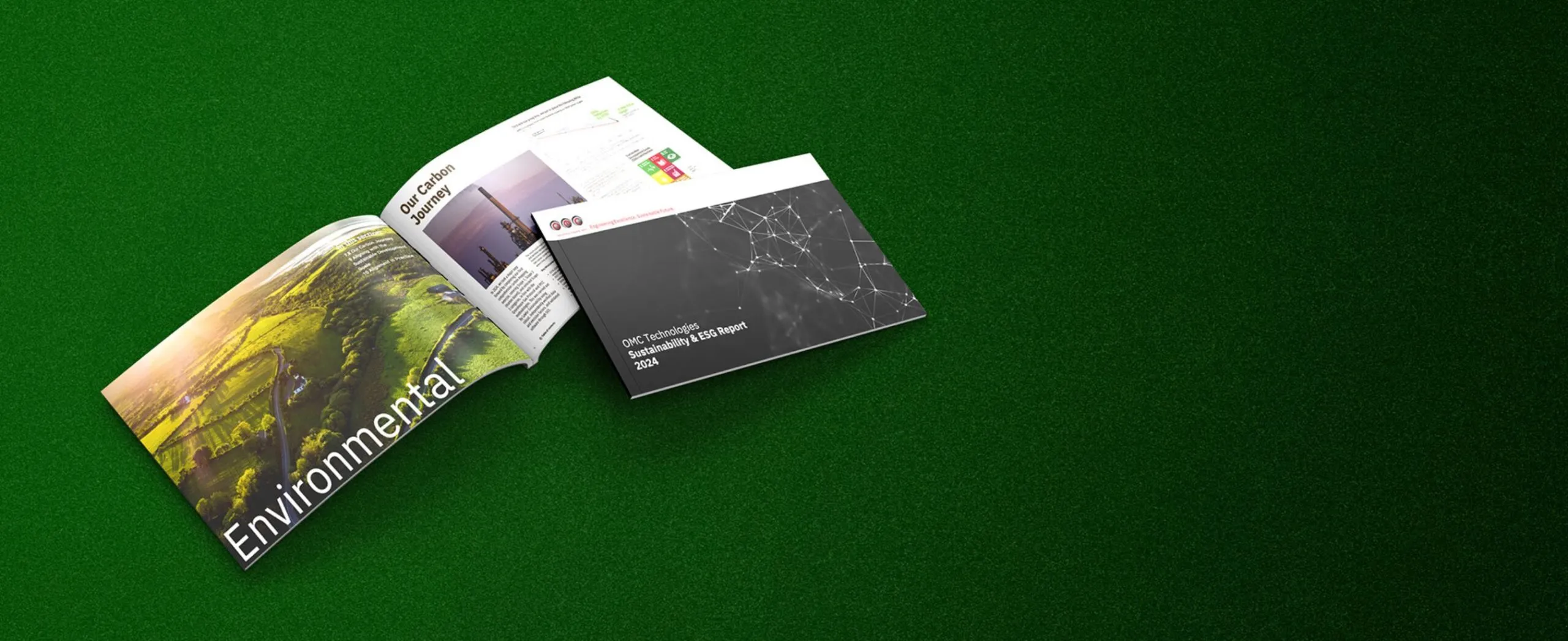
We are actively implementing a comprehensive Supplier Code of Practice as part of our 2025 strategic roadmap to ensure our ethical standards are upheld across the entire value chain.
This initiative embeds strict stipulations regarding sustainability, modern slavery, and child labour, guaranteeing that our engineering excellence is built on a foundation of responsible and transparent sourcing.
View ESG Report
Real Examples so Far
We believe sustainability is built through action, not just ambition. Here are some of the tangible steps we’ve already taken to reduce our environmental impact:
Nitrogen Generation:
By producing nitrogen on-site, we’ve eliminated the need for regular deliveries, cutting transport emissions and reducing reliance on external supply chains.
Wastewater System:
Our wastewater management system ensures responsible treatment and disposal, minimising environmental impact across our operations.
Reduced Carbon Fleet:
We’ve transitioned to lower-emission alternatives including battery-powered forklifts and electric vehicles, significantly reducing our day-to-day carbon output.
600kW Solar Panel Installation with Battery Storage:
Our solar array, paired with an on-site battery storage facility, allows us to generate and store clean energy and reduce our dependence on the grid.
Sustainably Sourced Materials:
By prioritising sustainably sourced materials, we ensure our supply chain reflects the same values we hold on-site.
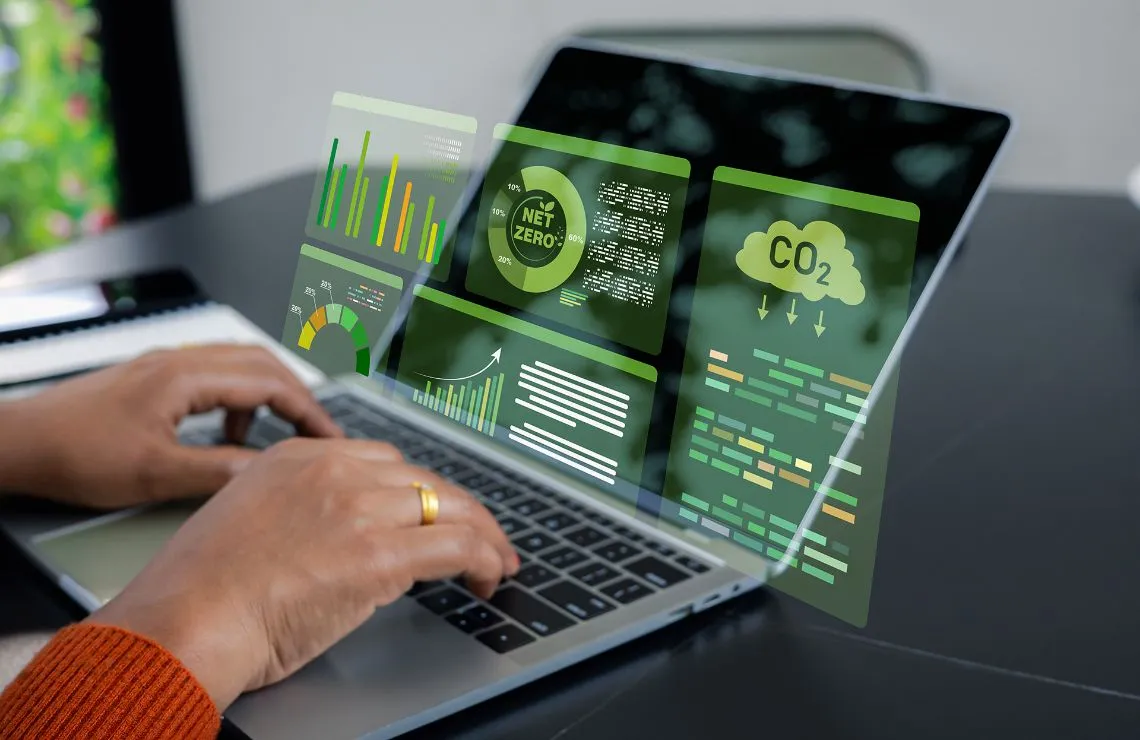
Our Commitment to Carbon Management
We recognise that taking decisive action on climate change requires a transparent and data-driven understanding of our environmental impact. In 2024, we reached a major milestone by completing our first comprehensive Carbon Baseline Mapping exercise, conducted in partnership with Lawler Sustainability and validated by SGS.
This process utilised globally recognised methodologies, including the GHG Protocol and IPCC frameworks, to calculate our gross emissions across Scope 1, Scope 2, and selected Scope 3 categories.
Decarbonisation Roadmap
The carbon baseline analysis in our inaugural report serves as the foundation for our Net Zero 2050 Roadmap. We have set rigorous interim targets to drive continuous improvement across our operations and supply chain:


Energy Transition:
We aim to achieve a 50% reduction in Scope 2 (market-based) emissions by 2030 through increased energy efficiency and a transition to renewable energy sources.

Interim Reduction Targets:
Interim Reduction Targets: We are committed to a 15% reduction in total GHG emissions by 2030 and a 30% reduction by 2035.

Value Chain Engagement:
Recognising that the majority of our impact lies in raw material procurement, we are launching a structured Supplier Engagement Programme in 2026 to foster collaborative decarbonisation with our material partners.
By embedding carbon management into our core business strategy, we are positioned as a proactive leader in sustainable manufacturing, providing our clients with the lifecycle data they need for their own sustainability goals.
View Report
We are more than a fabricator; we are a turnkey partner dedicated to the “Do It Right First Time” (DRIFT) philosophy. From single bespoke units to large-scale modular installations, OMC Engineered Solutions delivers excellence – with the scale and technical capacity to see every project through to completion.